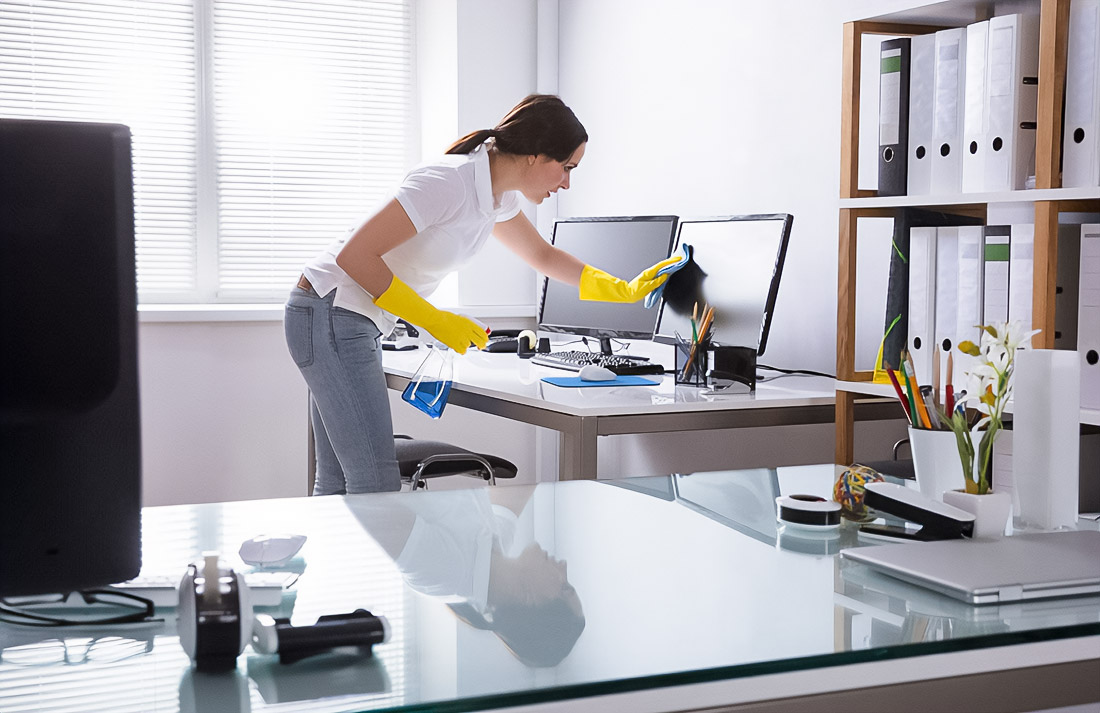
Hybrid work has reshaped how offices function. Full-time days alternate with remote days, and the load on workspaces shifts by the week and even by the hour. Cleaning can no longer remain a one-time job at the end of the day. A flexible, adaptive, and data-driven approach is needed—one that accounts for occupancy, foot traffic, and real-world hot-desking patterns. Many companies now rely on a professional office cleaning company to help manage these dynamic schedules effectively.
Why Change The Old Cleaning Schedule
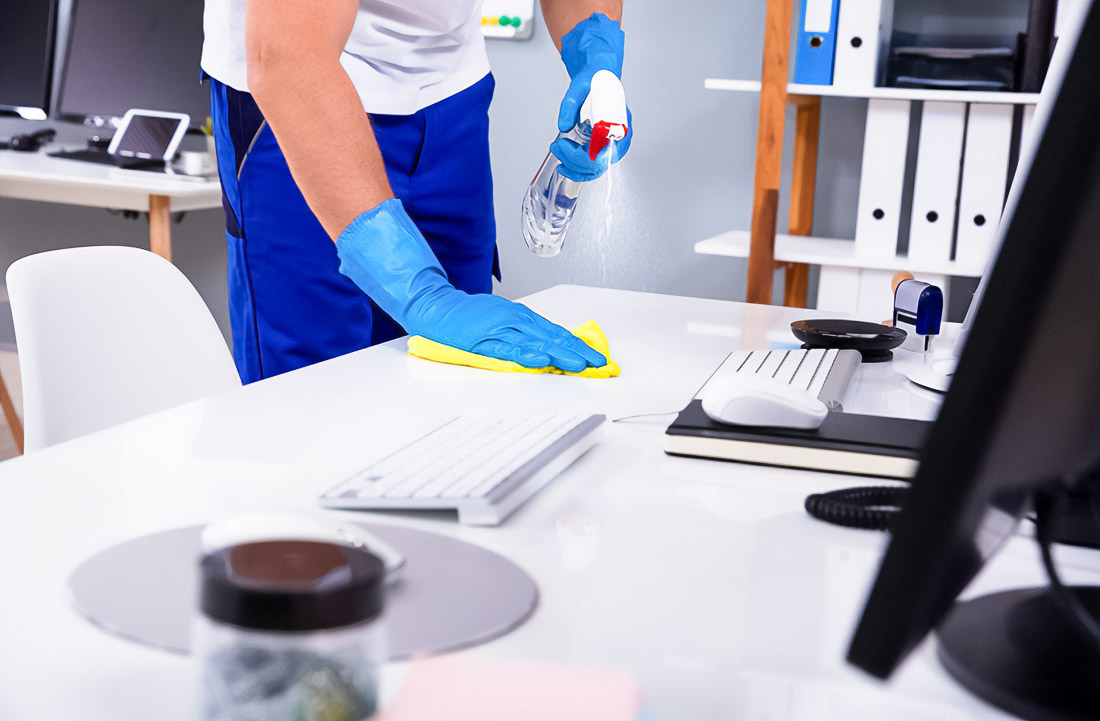
Traditional evening cleaning no longer meets the needs of a hybrid office. Teams arrive in waves, and shared areas experience faster wear. Cleaning has become a strategic element, prioritizing high-touch points, zoning, and shift-based formats. Schedules now adjust to peak days and usage patterns. Surveys confirm this trend: a third of organizations plan to reduce office space by more than 30 percent, while 71 percent are increasing investments in agile-supporting technologies.
What Changes In The Daily Practice Of Cleaning
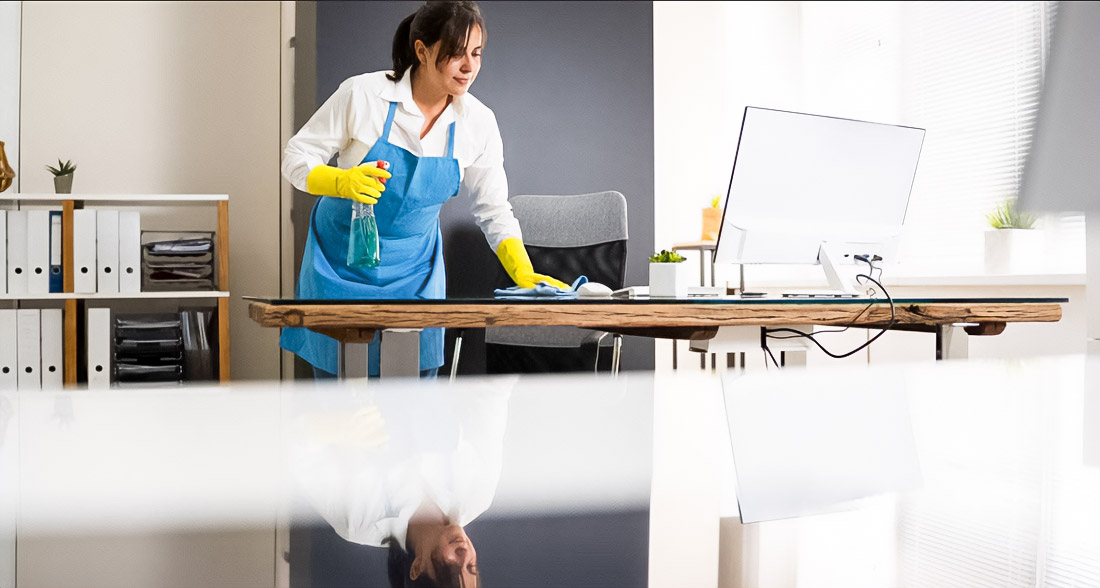
A flexible office demands a revised frequency matrix. Daily cleaning focuses on high-touch surfaces, door handles, elevator buttons, desks, light switches, and shared workspaces. Products compliant with EN14476 are used for daily sanitation, ensuring the destruction of coronaviruses and maintaining safe hygiene standards.
Weekly cleaning covers furniture, appliances, and common areas. This includes vacuuming, organizing workstations, and sanitizing keyboards and screens to maintain overall order and readiness. Monthly clean goes deeper, with teams tackling windows, carpets, shared kitchens, and HVAC systems to sustain long-term cleanliness and stable indoor air quality.
Hybrid Flow Of People And New Risks
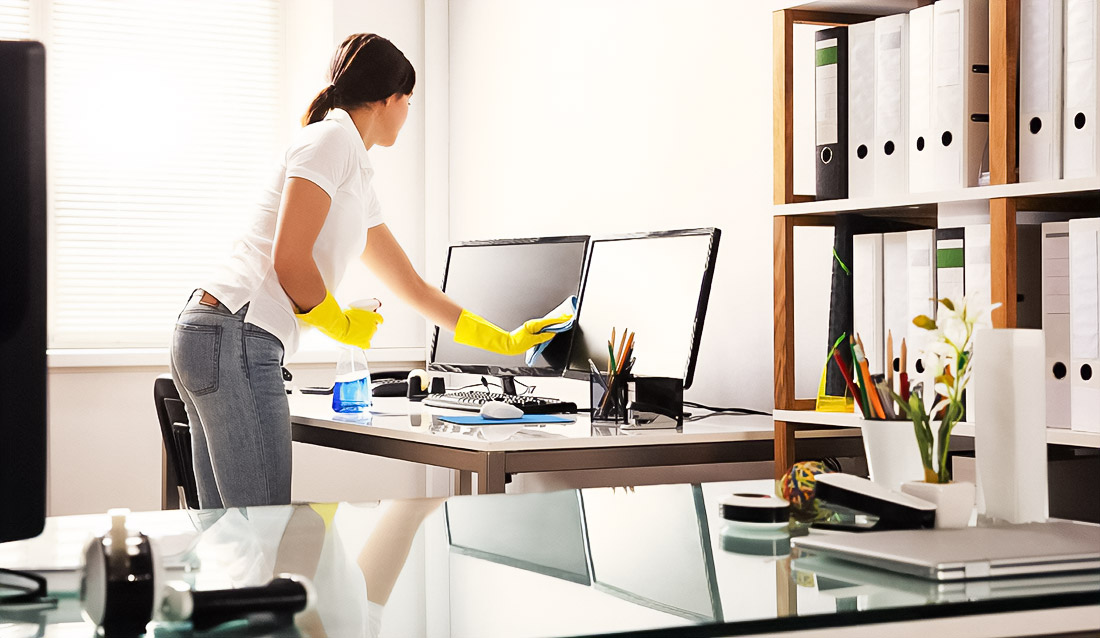
Variable attendance and rotating teams define hybrid work. Cleaning must therefore be planned between groups after team A leaves and before team B arrives to break infection chains. Meeting rooms, kitchens, and washrooms become the most heavily used zones, requiring more frequent attention.
Hot-desking environments carry additional risks: microbiological activity is 18 percent higher in shared-desk setups. This calls for more rigorous surface sanitation and quicker response during the day.
The “Zone Plus Shifts” Model And On-Demand Format
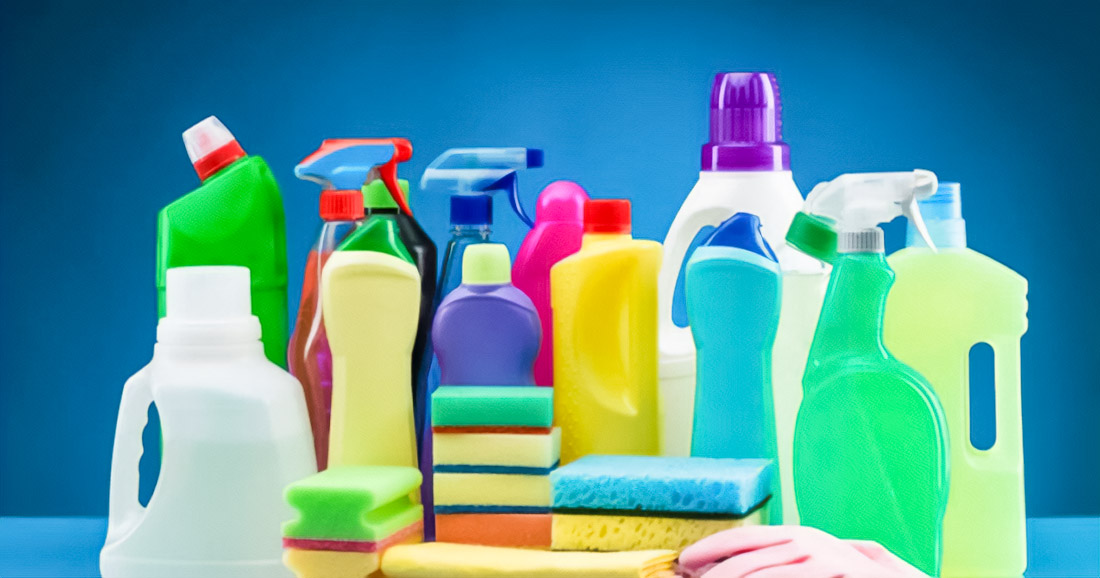
A three-tiered model works best. First, zoned cleaning focused on hotspots, guided by occupancy and footfall data. Second, shift-based cleaning between work periods. Third, daytime porters who maintain standards in real time during peak hours. Occupancy sensors and fill-level notifications support this by sending teams where they’re most needed, optimizing effort and resources.
Procedure Matrix And Checklists
Everyday routines rely on detailed checklists. Daily, teams sanitize high-touch points, clean co-working zones, empty bins, vacuum floors, disinfect washrooms, restock supplies, and handle shared kitchens. Weekly tasks add refrigerator cleaning, appliance detailing, and re-sanitizing workstations. Monthly sessions include window washing, carpet care, and ventilation maintenance to improve indoor air quality.
Sanitation, Standards, And Prevention
The hybrid office benefits from a three-tier defense system: reactive cleaning during incidents, daily sanitation of high-touch areas, and preventive coatings with residual protection. Staff training and coordination with facility management are critical teams must align priorities and adjust schedules as occupancy shifts.
Communication With Employees And A Culture Of Cleanliness
The clear desk policy ensures quick workspace turnaround. Providing wipes and sprays in shared areas encourages employee participation in maintaining cleanliness. Sanitizer dispensers in halls and meeting rooms reduce infection risks and keep hygiene levels stable throughout the day.
What The Job Structure Ratings Say
Research highlights that a third of organizations are reducing office space by over 30 percent, while 71 percent are investing in hybrid-supporting technologies. Meanwhile, 63 percent of high-growth companies now operate under a hybrid model, proof of the ongoing expansion of hot-desking and the heightened need for disciplined sanitation and inter-shift cleaning.
How To Put Everything Into One System
An efficient plan begins with auditing occupancy and mapping hotspots. Then comes zoning, shift-based cleaning, and on-demand scheduling for peak days. Launching clear checklists for daily, weekly, and monthly routines follows, alongside sanitizer installations and a clean desk culture. Backup deep-cleaning slots and incident protocols complete the system, ensuring manageability, scalability, and consistent quality in hybrid offices.
A hybrid office moves to the rhythm of its teams, not the clock. Effective cleaning keeps pace combining zoning, inter-shift maintenance, and well-defined hygiene standards. Supported by occupancy data and structured schedules, this system sustains high hygiene levels, fostering safe, tidy, and productive work environments.

Skier, follower of Christ, guitarist, Saul Bass fan and holistic designer. Producing at the junction of art and sustainability to craft meaningful ideas that endure. I prefer clear logic to decoration.